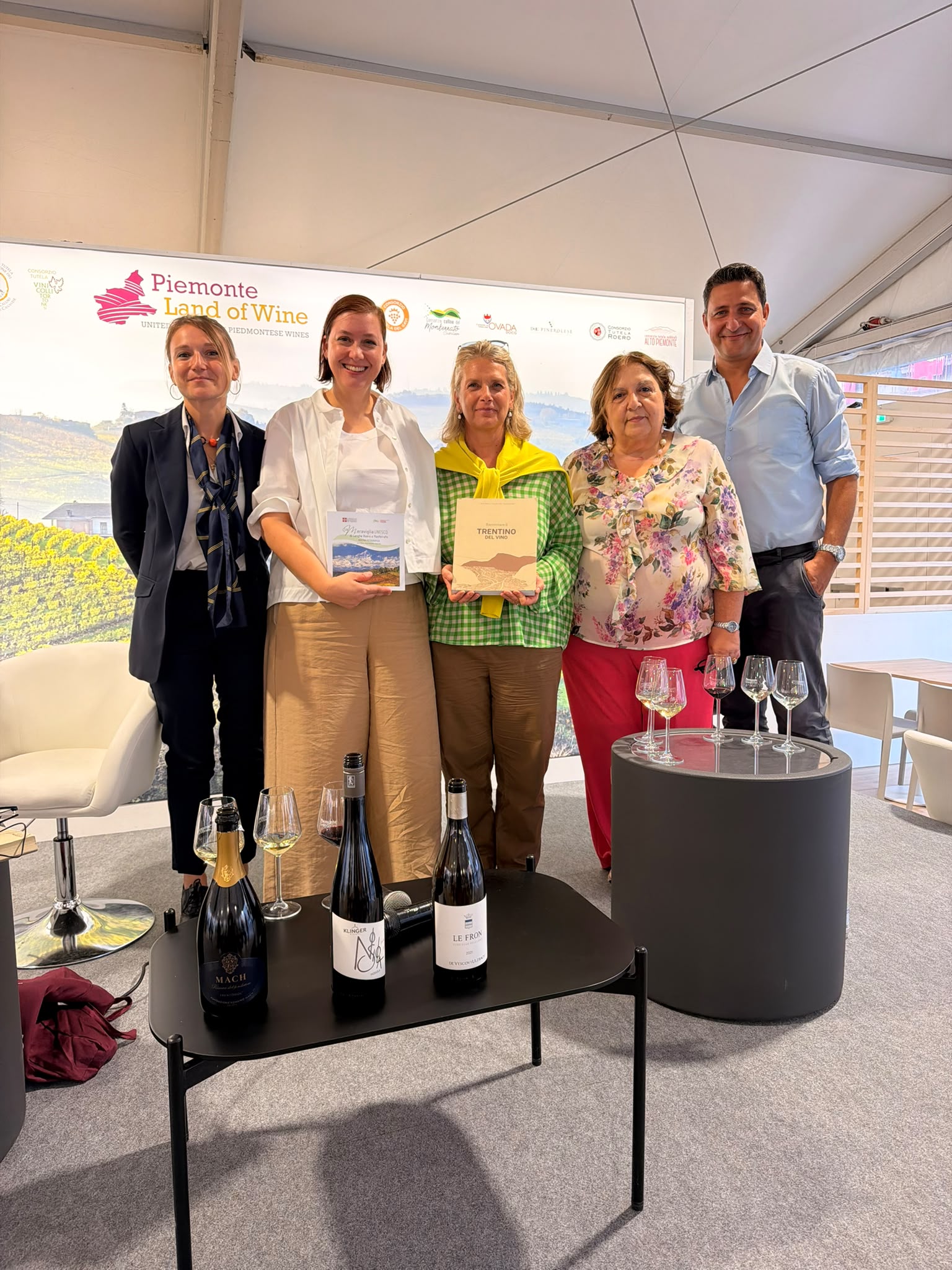
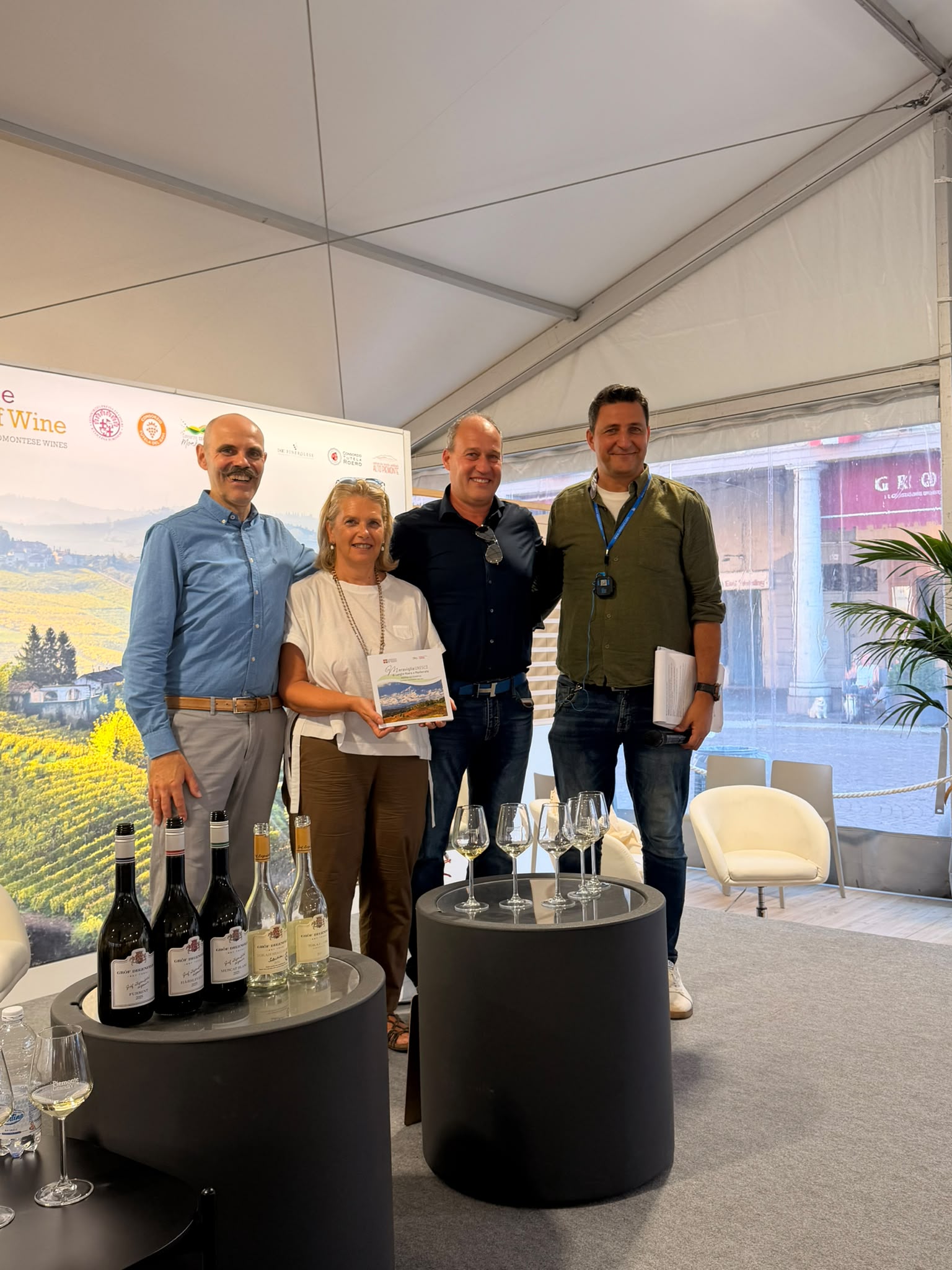
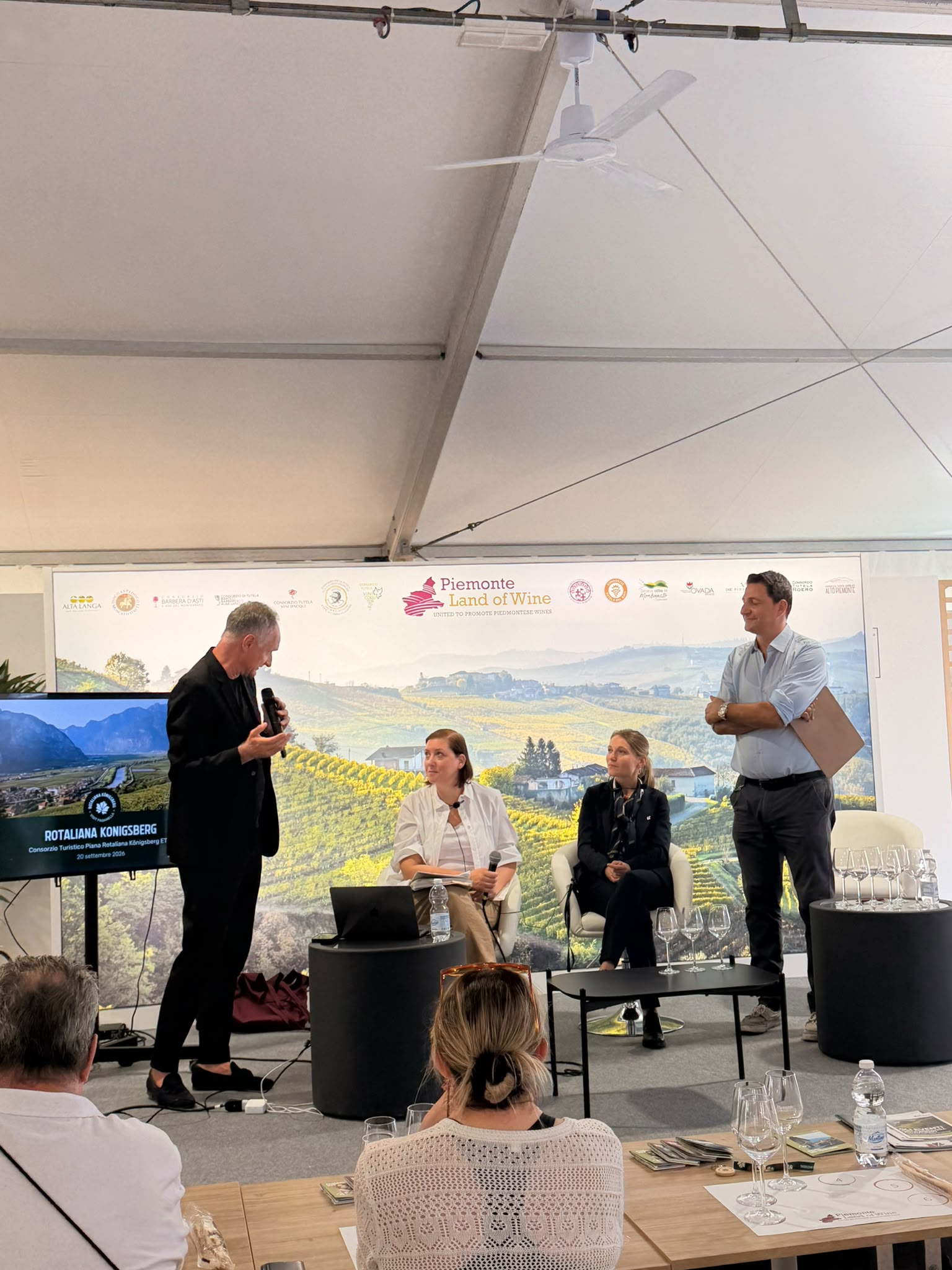
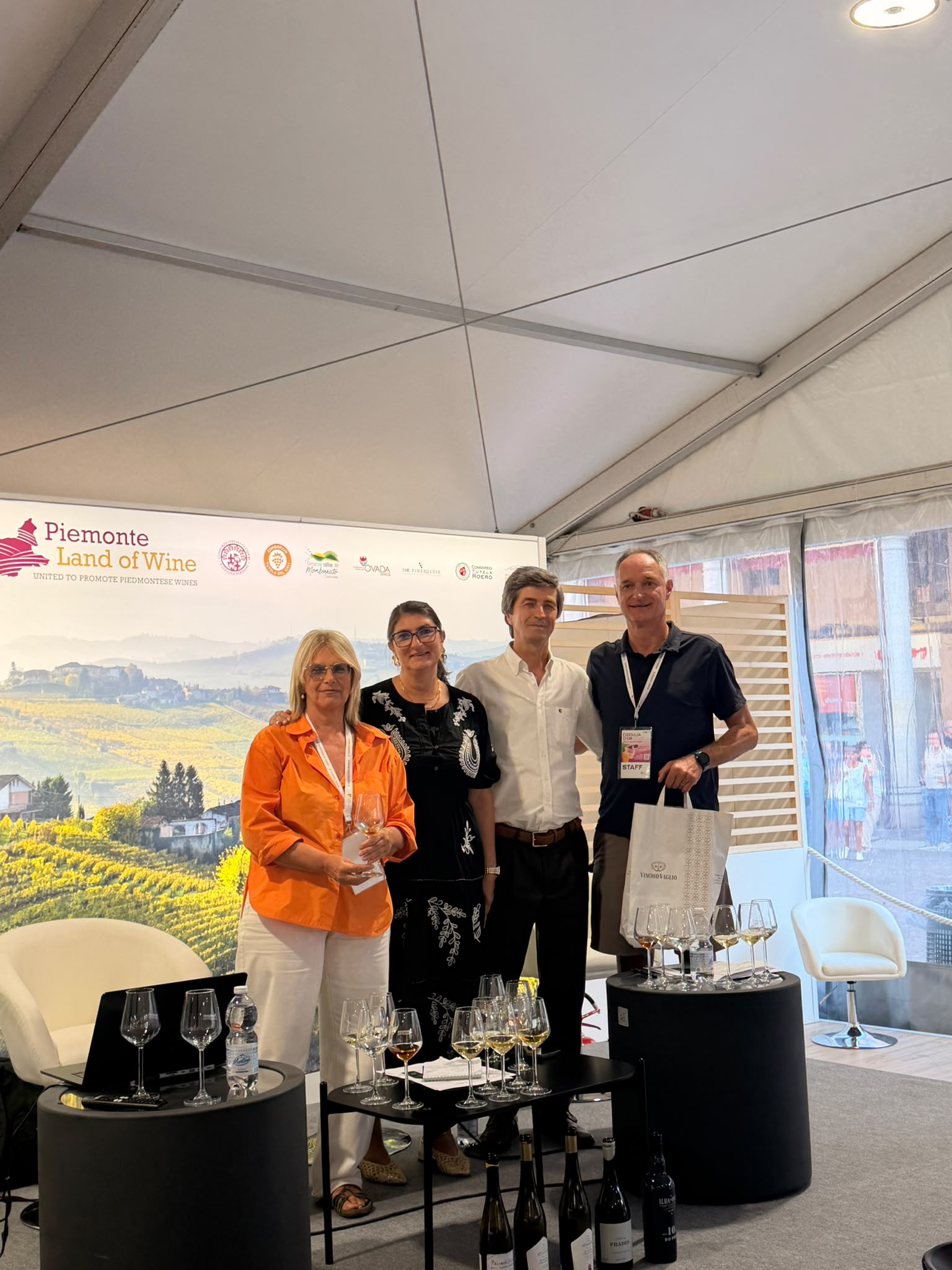
The 2026 edition of Douja d’Or has come to an end in Asti after ten days dedicated to wine, culture and the territories that produce it. Among the events featured in the programme, particular attention was given to the four international masterclasses organised in collaboration with the Association for the Heritage of the Vineyard Landscapes of Langhe-Roero and Monferrato, which brought to Asti experiences and representatives from some of Europe’s most significant wine-growing territories.
The initiative, launched during the previous edition of Douja d’Or with the participation of the Tokaj Wine Region Historic Cultural Landscape, was created to foster dialogue among territories where viticulture represents a fundamental component of the landscape, culture and identity of local communities.
In 2026, the international dialogue expanded to include three UNESCO-recognised Vineyard Landscapes – Tokaj, Fertő/Neusiedlersee and the Landscape of the Viticultural Culture of Pico Island – together with Rotaliana Königsberg, a partner territory which, although not a UNESCO site, shares with the other guests a strong relationship between viticulture, landscape and local communities.
The four masterclasses offered the public an opportunity to discover these territories through stories of their landscapes and wine-making traditions, accompanied by wine tastings. It was a journey through profoundly different settings: from the historic hills of Tokaj to the lakeside landscape of Fertő/Neusiedlersee, from the volcanic environment of Pico Island to the Rotaliana Plain.
More than simply tastings, the masterclasses were opportunities for meeting and exchanging experiences among territories, highlighting how wine can provide a key to understanding the landscape and the relationship that has developed over time between human activities, the environment and local communities.
The participation of these four territories also strengthened the international dimension of Douja d’Or and the Association’s role in building relationships and partnerships with other wine-growing territories, starting from UNESCO recognition as an opportunity for shared knowledge, dialogue and enhancement of this common heritage.
The masterclasses dedicated to wine landscapes were fully booked, confirming the public’s interest in experiences that bring together wine, landscape and cultural heritage.